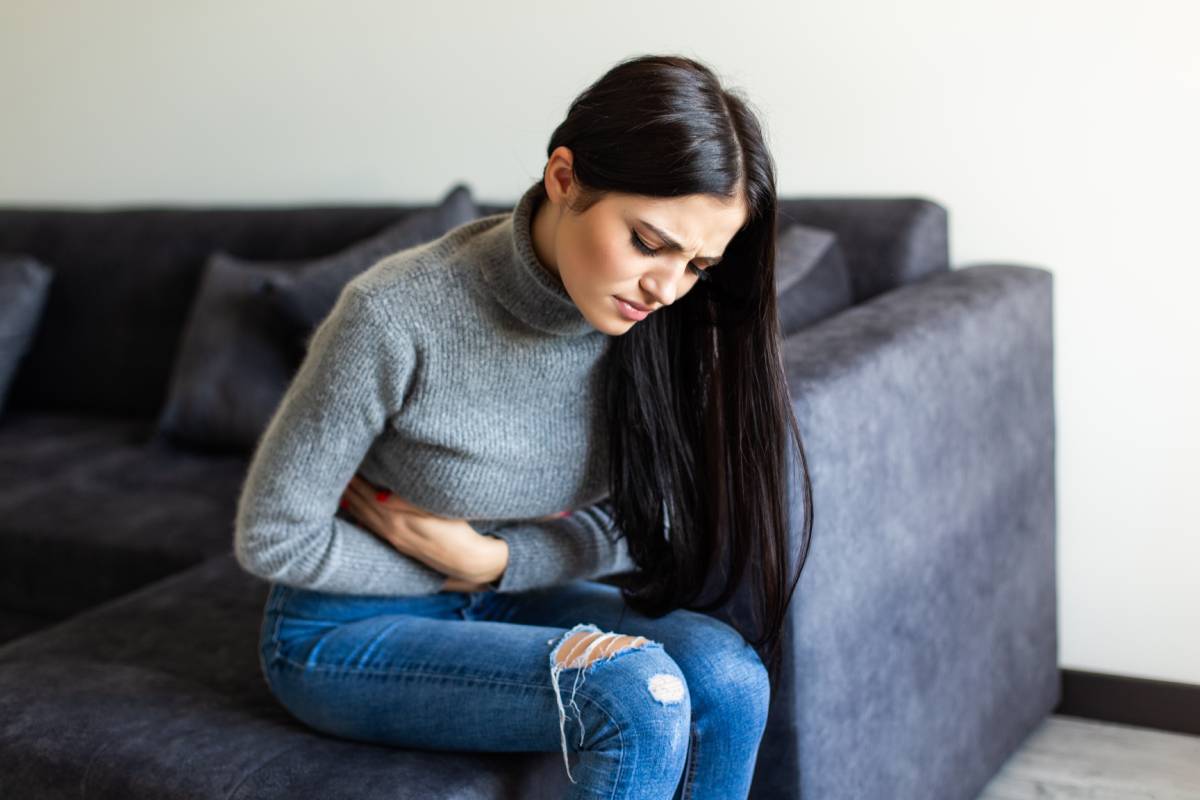
Struggling with PCOS Symptoms? You Are Not Alone.
Have you been trying everything to lose weight, but nothing seems to work?
Do your periods come late, skip for months, or feel completely unpredictable?
Are you dealing with acne, facial hair, hair fall, cravings, bloating, or constant fatigue?
If yes, you may be experiencing symptoms of PCOS (Polycystic Ovary Syndrome) or PCOD (Polycystic Ovarian Disease).
Many women silently struggle for years — blaming themselves for weight gain, irregular periods, and hormonal changes — without realizing that PCOS could be the underlying cause.
The good news is:
With the right nutrition, lifestyle guidance, and personalized support, PCOS symptoms can be effectively managed.
As a trusted PCOS Dietitian in India, we help women improve hormonal balance, regulate periods, support healthy weight loss, reduce insulin resistance, and build sustainable lifestyle habits.
What is PCOS?
PCOS (Polycystic Ovary Syndrome) is a common hormonal disorder that affects women of reproductive age.
It occurs when reproductive hormones become imbalanced, which can impact:
- Menstrual cycles
- Ovulation
- Fertility
- Weight management
- Skin health
- Hair growth patterns
- Energy levels
- Metabolism
- Insulin sensitivity
PCOS is a long-term condition, but with the right approach, symptoms can be significantly improved and managed.
PCOS vs PCOD – What is the Difference?
Many people use PCOS and PCOD interchangeably, but they are slightly different.
PCOD (Polycystic Ovarian Disease)
In PCOD, ovaries release many immature eggs that may form small cysts. It is often related to lifestyle and hormonal imbalance.
PCOS (Polycystic Ovary Syndrome)
PCOS is a more complex metabolic and hormonal condition that affects ovulation, insulin levels, and reproductive health.
Both conditions require proper diet, lifestyle management, stress control, and regular monitoring.
Signs & Symptoms of PCOS
PCOS symptoms vary from person to person, but common signs include:
- Unexplained weight gain
- Irregular or missed periods
- Acne and oily skin
- Excess facial or body hair
- Hair thinning or hair fall
- Difficulty losing weight
- Strong sugar and carb cravings
- Constant fatigue
- Mood swings or anxiety
- Dark patches on neck or underarms
- Difficulty conceiving
If you relate to multiple symptoms, your body may need hormonal support through nutrition and lifestyle correction.
Why Does PCOS Happen?
PCOS does not happen due to laziness or lack of discipline.
It is influenced by multiple internal factors such as:
Insulin Resistance
When the body struggles to use insulin properly, it leads to weight gain, cravings, and hormonal imbalance.
Hormonal Imbalance
Increased androgen levels can cause acne, hair growth, and irregular periods.
Genetics
PCOS often runs in families.
Chronic Inflammation
Low-grade inflammation can worsen hormonal imbalance.
Stress & Lifestyle Factors
Poor sleep, high stress, and sedentary habits can worsen symptoms.
Why Weight Loss is Difficult in PCOS
If you have PCOS, you may feel:
“I am doing everything right, but still not losing weight.”
This is because PCOS affects:
- Insulin levels
- Hunger hormones
- Fat storage pattern
- Metabolism
- Craving control
That’s why crash diets and extreme workouts usually fail.
What your body actually needs is a structured, hormone-friendly nutrition plan.
How Nutrition Helps PCOS
A personalized PCOS nutrition plan can help:
- Support healthy weight loss
- Improve insulin sensitivity
- Regulate menstrual cycles
- Reduce acne and skin issues
- Improve fertility health
- Reduce cravings and binge eating
- Improve energy levels
- Support hormonal balance
This is not about restriction — it is about restoring balance in your body.
Essential Nutrients for PCOS Management
PCOS management is not about eating less.
It is about giving your body the right nutrients so hormones can function properly.
Protein
Supports blood sugar balance, reduces cravings, and keeps you full for longer.
Fiber
Improves digestion, reduces sugar spikes, and supports gut health.
Healthy Fats
Essential for hormone production, mood balance, and reproductive health.
Magnesium
Supports stress reduction, better sleep, and reduced emotional eating.
Vitamin D
Important for hormonal balance, fertility, and immunity.
Zinc
Helps reduce acne, supports skin healing, and improves reproductive health.
Iron
Supports energy levels and reduces fatigue.
Vitamin B12
Helps reduce tiredness, brain fog, and low energy.
Antioxidants
Reduce inflammation linked with PCOS symptoms.
Foods That May Support PCOS Management
A PCOS-friendly diet usually focuses on:
- Protein-rich foods (for stable energy and reduced cravings)
- High-fiber foods (for digestion and hormone support)
- Healthy fats (for hormone balance)
- Low glycemic carbohydrates (for insulin control)
And limits:
- Sugary foods and drinks
- Refined flour products
- Highly processed snacks
- Deep-fried foods
Common Mistakes in PCOS
Avoid these common mistakes:
❌ Crash dieting or starving
❌ Skipping meals
❌ Over-exercising
❌ Cutting entire food groups
❌ Relying only on supplements
❌ Following random social media advice
❌ Expecting quick results
PCOS management requires consistency, patience, and the right guidance.
Can PCOS Be Cured Naturally?
PCOS cannot always be “cured permanently,” but it can be managed and reversed in symptoms through:
- Nutrition therapy
- Weight management
- Stress control
- Regular exercise
- Medical guidance when needed
Many women successfully restore regular cycles and improve fertility with the right support.
Can You Lose Weight with PCOS?
Yes, weight loss is absolutely possible with PCOS.
However, the approach must focus on:
- Hormonal balance
- Insulin resistance
- Sustainable eating habits
- Lifestyle correction
Can PCOS Affect Fertility?
Yes, PCOS can affect ovulation and make conception more difficult.
However, many women with PCOS successfully conceive with proper lifestyle, nutrition, and medical support.
Our PCOS Nutrition Program
We provide a personalized PCOS diet and lifestyle program designed for your body and routine.
Step 1: Detailed Assessment
We evaluate:
- Symptoms
- Medical history
- Blood reports
- Lifestyle habits
- Current diet
- Weight goals
Step 2: Personalized Diet Plan
Your plan is based on:
- Your routine
- Food preferences
- Cultural habits
- Health condition
Step 3: Lifestyle Guidance
Includes:
- Sleep improvement
- Stress management
- Exercise guidance
- Meal timing strategies
Step 4: Continuous Support
Regular follow-ups to track progress and adjust your plan.
CLIENT SUCCESS STORIES
Real Women. Real Struggles. Real Progress.
⭐ Case 1: Weight Loss + Irregular Periods Improvement
Client: Neha Sharma (28 years)
Working professional from Delhi
Neha came to us feeling frustrated. She had been struggling with irregular periods for almost 4–5 years along with gradual weight gain, especially around the abdomen. She had tried multiple diets on her own but could never stay consistent.
After starting a personalized PCOS nutrition plan, she focused on balanced meals, portion control, and simple lifestyle changes that fit her busy routine.
Her Progress:
- 6–7 kg gradual weight loss over time
- Period cycle became more predictable
- Significant reduction in cravings for sweets and junk food
- Less bloating and better digestion
Neha shared:
“I finally stopped feeling like something is wrong with me. My body feels more in control now.”
⭐ Case 2: Acne + Hormonal Balance Support
Client: Riya Mehta (24 years)
Student
Riya was dealing with persistent acne and oily skin that affected her confidence. She also had irregular cycles and often felt tired throughout the day. She believed it was just a “skin issue,” but it was linked to hormonal imbalance.
With a structured PCOS-friendly diet and small lifestyle corrections, her focus was on reducing inflammation and stabilizing blood sugar levels.
Her Progress:
- Visible reduction in acne breakouts
- Improved skin texture over time
- Better energy levels during the day
- More stable mood and reduced fatigue
Riya shared:
“My skin started improving slowly, but the biggest change was how energetic I started feeling.”
⭐ Case 3: PCOS + Fertility & Cycle Regulation Support
Client: Pooja Verma (32 years)
Homemaker
Pooja had been trying to conceive and was struggling with irregular ovulation due to PCOS. She often felt stressed and confused after receiving conflicting advice from different sources.
Her plan focused on stabilizing blood sugar levels, improving nutrient intake, and supporting hormonal rhythm through consistent meals and lifestyle balance.
Her Progress:
- Improved cycle regularity
- Better signs of ovulation over time
- Improved overall hormonal balance
- Felt more in control of her health journey
Pooja shared:
“For the first time, I felt my body was actually responding in a positive way.”
FREQUENTLY ASKED QUESTIONS
Can PCOS be reversed naturally?
PCOS cannot always be fully “cured,” but its symptoms can be effectively managed and often significantly improved with proper nutrition, lifestyle changes, and medical guidance.
Can I lose weight if I have PCOS?
Yes. Weight loss is absolutely possible with PCOS. The key is focusing on insulin resistance, hormonal balance, and a structured diet plan instead of crash dieting.
How long does it take to see results in PCOS?
Most women start noticing improvements in energy, cravings, and digestion within a few weeks. Hormonal changes like periods and weight take consistent effort over time.
Do I need to avoid carbs completely in PCOS?
No. Completely avoiding carbs is not necessary. The focus should be on the type and quantity of carbs, not elimination.
Can PCOS affect fertility?
Yes, PCOS can affect ovulation. However, many women with PCOS successfully conceive with proper management and guidance.
Is exercise important for PCOS?
Yes. Regular movement improves insulin sensitivity, supports weight management, and helps balance hormones.
Do I need supplements for PCOS?
Not always. Supplements may help in some cases, but they should never replace proper diet and lifestyle correction.
Take Control of Your PCOS Today
You do not have to struggle alone with PCOS symptoms.
If you are tired of:
- Irregular periods
- Weight gain
- Acne and hair issues
- Constant cravings
- Low energy
Then the right nutrition guidance can help you regain control of your health.
Book your PCOS consultation today and start your journey towards hormonal balance, better energy, and sustainable weight loss.
Watch Our PCOD Health Videos